About Me

My photo
all over
California, New Zealand. Two passports, two homelands. And detours.

Monday, July 22, 2013

Summer promise


Walking through a heavily air-conditioned Walmart last week with my mom, looking for a plastic 6-dish rack that could be extended to a  12-dish rack,  stopping at one point to examine the back of a bottle of Coke Zero and ponder together for about four minutes, why Coke Zero was different from Diet Coke, was probably the equivalent of someone else’s ten-hour drive to see the sun setting over the Grand Canyon.

It was on aisle six, about five minutes before, looking at the swivel desk chair selection and pausing to inhale the scents of candles with names like Let Freedom Ring and Cosy Sweater, that I realised where I was, right there, near my mom, wandering aimlessly around Walmart, picking things up and then putting them back again, with afternoon plans to head to the state fair to look at goats and share a corn dog, beat out just about any other holiday spot in the world at that moment.

It's funny what you crave and where your mind finds rest when it leaves its routine - kind of like a dog let off its leash. My dad  wanted to know why my bedside light had been on until about 1am the last few nights.  I explained the light was on because I could not for the life of me remember if Christie from Wisconsin ended up with Todd the OC surfer or Escondido quarterback Brad (Thad? Chad?)  in Summer Promise, which still features in my childhood bookcase. But it turns out turns out the quarterback doesn't even come into the first book in the Christie series - and so it took several late nights of reading with the fan on, eating Trader Joe crackers, and speed-reading through heavy-handed life lessons (note the publisher) to a frustratingly ambiguous ending (‘’Never had one season held so much hope...or so much heartache!’’). The conclusion was that the only way I was going to get to the bottom of the Todd vs Brad/Chad/Thad question was to loiter around the church library on Sunday and check out the whole series, and in doing so, reacquaint myself with the author's footnotes to the extraordinary high school experiences my 12-year-old self had studied rigorously, and was heroically prepared to experience herself, just like Christie  had (my high school experience did not resemble in any way, the above cover of Summer Promise).

And that pretty much wraps up the last three weeks. In the final months before I left work - and especially on the really trying weather days; sleet but no snow, rain that came at you sideways, darkness at 5pm; all backdrop outside the window for the polite arguing and mad scribbling inside, followed by phone slamming and expletives, brimming tears, angry typing, and then somewhere in there, a story - I loved performing lengthy monologues for my colleagues on either side of me, about what I was looking forward to when I came back to my hometown, all based on previous holidays in Los Olivos that I have grown to love, as if we were hunkered down in trenches, under fire, clutching helmets and weapons, our backs to a muddy wall: I talked about waking up on July 4th morning and hearing my dad tinkering with his mini cooper, getting it ready for the parade; the sound and smell of the alfalfa being cut and baled across the street, lemon meringue pie after church, and watching old movies with my mom on the couch; sitting in the hot tub in the backyard and looking up at the walnut trees and the stars; eating chips and cowboy caviar, barefoot, in big Adirondack chairs with friends; going to the outdoor theatre with my mom for Rodgers and Hammerstein musicals; the smell of eucaplyptus trees in 90 degree heat as you walked past mansions that you will (likely) never have to pay a mortgage on, and down the steps to Butterfly Beach with a book and a towel.

I have an exceptionally sweet hometown and region that has been kind to me when I have needed to just come home and just be for a little while, just until the fog lifts.  

And I am doing that (and it is wonderful).

Thursday, July 11, 2013

This must be the place


A week and two days ago today I was dressed in gumboots and a blue onesie, flying through snow and mud on the backof a quad bike, squashed between two dogs, with one hand clenching fencing wire and the other holding the jacket of a woman I had been wanting to find for almost 20 years.

It was my last few days in New Zealand. There was a closet of hoarded paperwork to sort through, furniture to give away, a car to sell,  fines to settle with the Ministry of Justice and the Invercargill Public Library. But seeing Andrea again -  this woman I hitchhiked with for two days in Ireland in 1996 -  was something I would have abandoned pretty much everything else to do ever since the penny dropped, in a tent, in the middle of a field in Glenorchy last November, and I realised this is the hitchhiker and the mountains all around us that night were the same peaks in three photos that she carried around with her in her wallet when I first met her at age 18. Andrea was 35 that year- the age I am now.

I wrote about how we first hitched together, lost touch, then re-connected here for the Southland Times in December - and I've probably told the story a hundred times in person to many of you in the last seven months because it made a really tumultuous season of my 20s make more sense.

Who knows what drives us to seek out certain places to be at war with ourselves in. Maybe that landscape - an ocean, a mountain range, a desert in New Mexico, a dusty, scrub-covered hill outside Bakersfield - simply resonates with something inside us some years. Meeting Andrea again in Glenorchy - which had only been a nameless mountain town she described to me as the backdrop for the worst kind of betrayal and the end of her marriage, as we stood by the side of the road thousands of miles away in County Cork with our thumbs out in '96 - made my time there seem less of a mistake. Maybe I was just fated to work myself out in that same place too, years later.

After we met below those peaks again in November, as visitors simultaneously returning to a favourite haunt - a meeting that spooked both of us I think - she invited me out to her farm in Canterbury whenever I had a spare weekend. Just as I was buying my one-way ticket back to the States, she wrote to remind me the offer was still there and said she had a pair of gumboots that would fit me.

So before flying to California, I made arrangements to get a car and head out to this farm that she had described on that November weekend as the next best thing to Woodbine Station in Glenorchy which she and her ex-husband had managed in the early 90s before everything unravelled.

The farmhouse, just off a gravel road that led to Mt Hutt helicopters was covered in snow - I couldn't even get the car entirely up the driveway. The doors were flung open and it was late afternoon. The sun was out; the peaks that framed her farm were so white you could hardly look at them without feeling your pupils blister.

We sat in these white, deep chairs, covered in soft blankets and looked out to the snow and the mountains. Andrea's husband, Wayne - who she met at a Herbert Community Hall birthday party after she came back from our hitching adventure in Ireland, and married the year I would have rolled into Glenorchy - brought us whiskey and ice with mint leaves in these goblets and left us there to sit like snow queens surveying our kingdom until it was nearly dark. Andrea got up and threw  me a Russian fur hat and we headed out on her quad bike to check on the cows. Flying through the night, I didn't care that my good office boots that I had worn to work nearly every day for the last 13 months were getting wrecked. I haven't been able to zip them up since that night, which kind of feels like one less decision I have to make right now.

Wayne had a roaring fire going and a glass of merlot for each of us when we got back. He made venison and potatoes, something I probably wouldn't eat for a long time - it was a perfect last winter meal. He kept refilling our glasses then retreated to watch the news on TV.

From a big chest in the living room, Andrea pulled out an album of her years at Woodbine. They were all valleys and mountains and rivers that I knew well. The children at picnics and barbecues in her pictures with 80s  haircuts would all grow up to be hellraisers riding their horses through the pub and hanging from the rafters in my photos years later.There were some of her on the back of trucks, working in the yards, riding her favourite horse in the Glenorchy Races, hiking up near Glacier Burn with her dog, and my favourite one of Andrea -  her laying in the tall grass, hair in braids, chin on hands, looking up to the Humboldt Range. Many of the photos had been torn in half but then at some point she had made peace with them and they had been taped back together and placed in this album.

After we came in from the farm the next morning she showed me her art/writing studio out back. On the walls were sketches, paintings, and pictures of all the places she had lived and worked in. Africa, islands in the South Pacific, the Snowy Mountains in Australia. Somewhere near one of portraits of Glenorchy, I saw she had this quote from Karen Blixen, who would have been writing about leaving her farm in Kenya after her divorce, then death of her lover, Denys in a plane crash, and then finally the financial collapse of her coffee plantation (I know all of this because I was obsessed with Blixen when I was 12).  Blixen went back to Denmark and never returned to Africa. I don't remember the first part of the quote or if it came from her book or her letters, but I remember peering into words Andrea had written the wall - “You must not think that I feel, in spite of it having ended in such defeat, that my life has been wasted here, or that I would exchange it with that of anyone I know” - and knowing what Blixen was trying to say and why almost 100 years after Blixen arrived in that spot that would haunt her forever, two women were looking at that quote and thinking ''yup''.


Tuesday, April 16, 2013

Calling Megan

This morning I called a friend I haven’t spoken to since we were both waitresses in a lobster house in Maine 11 years ago, when we were both single and in this healed-up, hopeful place in life, surrounded by a bunch of people (mostly Russian, Czech and Connecticut residents) who were also happily hanging out in dead-end jobs in a national park.


I called her an hour after she had left the scene of the explosions at the finish line at the Boston Marathon, and she pulled over to take my call. Her voice, in the car, was shaky but exactly as I remembered it, Southern warmth and all – I suddenly remembered how she used to say ‘’baby girl’’ to me - maybe when she wrapped her apron around her and tied it, or while we were counting tips, or when I was a passenger on trips through Acadia, down to Portland, and around through hills and oceans in between to hike up mountains and then go out for pancakes in Bar Harbour before our shifts. I was phoning because, according to Facebook, she was a block away from the explosions when they happened, and I needed to find someone to interview.

Like every journalist in every newsroom around the world that would likely have this event as a front page news story the next day, I was called by an editor just after the bombings happened and asked if there was anyone I knew who might be in Boston right now.

I pulled off on the side of the road and went through my newsfeed. Megan had posted hours before how proud she was of a friend who was competing, and I messaged her and asked if that friend would be comfortable talking to me.

Megan messaged me back: ‘’I was there.’’ And she sent her number for me to call.

The last time I saw Megan was when I was 25 and she was 29, and she was dropping me off at the bus station in Portland, Maine, so I could get to Boston, and then eventually get back to California for a job in San Diego. I remembered that week at her place before I left the East Coast, and it was early winter, and we went for walks around her new neighbourhood drinking chai lattes, our boots crunching on fallen leaves and the air smelled like rain. I’m sure we talked about boys and careers, and places we still wanted to live in, just like we had all through that late summer and early autumn. I remember that season in Maine as one of the most beautiful times in my life, and Megan as my older, wiser, cool sister/co-navigator who put an arm around my shoulder and pointed out that everything was probably going to work out just fine. In my mind, waitressing at the lobster house and living in Seal Harbour, and eating popovers slathered with blueberry jam was a whole chapter of my 20s, but it probably lasted less than three months.

The tragedy of social media is that you can know so much of someone’s life, without speaking to them. It only occurred to me how weird it was to be calling Megan now, more than a decade later, as the phone was ringing.

A normal conversation would have gone into how she met her husband and how old her daughter is and if she loves motherhood as much as she thought she would, when we talked about it over nachos at Applebees.

Maybe we’d talk about the guy who would come in for lunch, order a bottle of wine, declare everything was ‘’Fabu’’ and would always tip 100 percent.

Or that time that waiter Joe, an out-of-work pilot from Canada, spent three hours arranging furniture on the front lawn to say ‘’Happy Birthday’’ to that girl from Alabama (Lauren?) he had a massive crush on, then arranged for her to fly over the lawn in a private plane?

Would she remember that time we all fought over who was going to serve Stifler’s Mom (actress’s name? Does it matter?) at table 12, or that time the Secretary of the Interior came for dinner and John, the head waiter, wore his CIA shirt? Or the conversations we had sitting in the car, with gas station coffee and the radio on (it was the summer of No Doubt’s ‘’Underneath it All’’ and we all piled in a car to go see ‘’Sweet Home Alabama’’)

This morning she said everything you would expect someone to say after walking away from an area and then minutes later, feel it explode.

Her mom had just called to tell her there had been a third explosion. Her voice broke, and mine did too, ‘’hearing her heart’’ as she would have said, in that Carolina lilt, if we had been sitting on a park bench somewhere.

I felt cheated hanging up and then writing Megan’s words up to be absorbed with 100 more testimonies in a news article. I wonder if journalists have gone through exactly this, today, mining friends they’ve lost touch with, for disaster stories.

But I thought about this too, with three televisions in the newsroom playing CNN coverage of the bombings continuously, in front of me, behind me, and to the left of me since I arrived at work 10 hours ago: maybe its cliché to say that people come together in these times and so forth.
But, you know, all day I’ve been thinking about blueberry pancakes and orange juice in plastic cups, American Pie quotes, and train trips, and lights glowing from houses in Seal Harbour, and remember sitting on a wooden bench in an outdoor church and singing It is Well with My Soul alongside Megan under the pine trees, and terror and fear of the world, isn't what I feel.


Saturday, March 2, 2013

Whalers crescent


I went to my first wake on Monday night, and it was not how I thought it would be.

I had already spent two evenings in a foldable canvas chair on my deck, looking at David’s house and the cars outside on the grass, coming and going, telling myself that I didn’t want to go across the street to pay my respects because I didn’t want my last memory of David to be David without life. But this was a lie really, I didn’t want to walk across the street because I didn’t understand how the ceremony worked – a memorial service I get, I have experience with, with photos and music, and a schedule of who is speaking next and what prayers to recite – but not a wake. I didn’t know who it was for, and why. I didn’t know what I was supposed to feel, other than the fear that a 4-year-old has of a dark hallway. So I stayed on my side of the driveway.

I listened to the radio, and ate a bowl of ice cream, made myself a gin and tonic, had another bowl of ice cream, then a wine, and watched the lights go on and off in the top room of his A-frame house that had been empty for two weeks while he had been in hospital. I had passed the hearse on the gravel road coming into Omaui on Sunday at noon as I left for work; I knew he was being brought home for two days, for viewing, but I didn’t know what time, and I was ashamed and relieved to have missed this part, and I pulled over to let the hearse pass. I thought that was sort of right and fine and appropriate to our dynamic while he was alive, that we would pass on this piece of road this way, this last stretch that came down into Whalers Crescent, me going to work, sunburned, with sand in my ears, and him coming back here for the last time so that the town could say goodbye.

I moved to this town because of David. In November I drove out with a photographer to do a story on him for his first exhibition opening. We drove down this long gravel road that turned off the main road to Bluff and headed for cliffs and bush and then you turn the corner and there is the sea and a handful of cribs. It was an old whaling community and it felt like, feels like, the edge of the world, and very, very far away from the third story of a building in the middle of the city I that I work out of.

David lived on the end of one of two streets in Omaui, and he came out to meet us as we pulled off the gravel and onto the grass. He had just gotten back from a trip through Belize, Guatemala, Mexico and had done a series of 36 photographs of his trip in August and September. But it was his diagnosis with an aggressive cancer in January that gave every photograph its urgency. You walked through chronologically. The first was taken about two hours after he had been told at the hospital he probably had less than 12 months to live, which meant that he wouldn’t see the next summer. He had been given a camera for his 49th birthday and it was in the passenger seat when he saw a storm coming in over the mountains and pulled over and watched it come towards him and then he got the camera to capture the obvious metaphor. He got better with the camera as the year went on, as his health worsened, as he went through chemo, and got up early, because the sleeplessness then, to get sunrises on the Omaui beach and the way the light caught the barb wire of a fence, and a bird coming out of the water during the winter, with snow on the sand dunes – it had the feel of someone trying frame every nuanced piece of the world’s beauty before he left it.

When the photographer and I first came up to the house, there was tiny place with a carport and a deck across the street, half hidden by a wild garden growing around it. It had a For Rent sign in the front, a bathtub in the back, a place to gut fish, if I ever got into that, a veggie garden, an apple tree, and the pounding sound of the ocean, and after some deliberation, and some emailed prodding from David, this is where I am now. The last time I saw David while he was still well, was when he pounded on my glass door, while I was scrambling eggs without having opened the curtains to the morning yet, to tell me there was a beached whale down below and the whole town was down there trying to refloat it. The next time I saw him was in hospital, for a followup interview for his exhibition. The last time I saw him was at the exhibition a week ago, in a wheelchair, and he was so tired he could hardly keep his eyes open. When I kissed his cheek and said I’d see him when he got home, I knew I probably wouldn’t. He told me he had big exhibition planned with a new project that was going to blow my mind. I asked if he could say a little bit about at least. He said he couldn't. It was going to be a big surprise and it was going to blow everybody's minds. On Friday, I got a text saying that David had died. I called his sister, and she said they were going to bring David back to Omaui, that there wasn’t a day in hospital that he didn’t ask to be brought home.

When I did go to see David, finally, it was in the early evening, when I got home from work on Monday. I parked my car, got out, and marched over, ready to get this over with, so I could go out for a run on the beach without feeling like I was being silly and childish. There was only one car in the driveway, and the door was open to the kitchen and I stepped inside, knocking, seeing figures on the porch. Two guys came through the house, and I remembered them as students from around Invercargill and I said who I was and said I was David’s neighbour and then I just started to cry. One of the students put an arm around me and wiped his own eyes, and said they had been neighbours too for awhile, last year and we talked about how David looked after all of us, bringing us muffins and making sure we were happy here and how he told us we shouldn’t swim past the waves or we’d get dragged out to sea, and then pointed to the small room around the corner from the kitchen counter, where people had put loaves of bread and cards and baked goods, and I went in. David was in an open coffin on the bed. The curtains were open and the sun had just set.

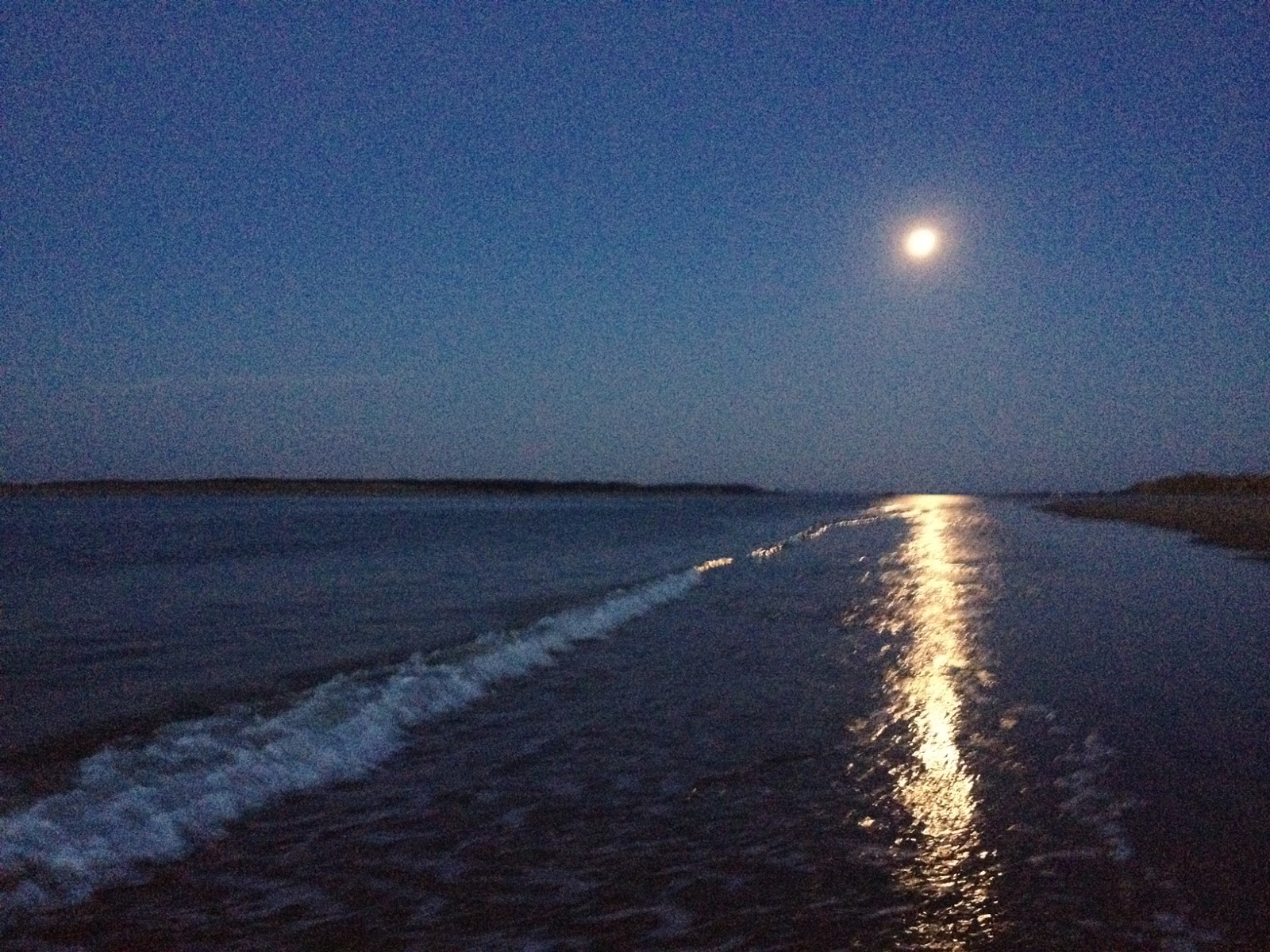
It wasn’t how I thought it would be. The sky was red, the sea had pulled back and the lagoon was full of new sea water. There was even a full moon. I stood there for a few minutes and it was how they say, that it seems like that person could just open their eyes, or move a hand. It was more unbelievable that he wouldn’t do those things. Just outside his room, you could see that first photograph of the storm coming over the mountains. There were books, and CDs and music posters still up. I had thought I would want to walk in and walk out, but it was the opposite. I wanted to stay. I wanted to talk to him. If there had been a seat in the bedroom, I would have sat, and stayed for a long time. It was like standing in a very small cathedral. Afterwards, I went for a run, and then for my first night swim in Omaui. The moon rippled on the water of the lagoon as I slid through it, then turned on my back, and realised then that the aching in my upper body that had frightened me all week, was less likely to be a tumour lurking somewhere in me, and more likely that I hadn’t been doing backstrokes properly, and I should probably take swimming lessons if I wanted to get better and that I also need to stop being so ready to die all the time.

Yesterday, I had the day off, and I went back to being the socially awkward neighbour who watches people from her deck in her pajamas, well into the afternoon. I watched people I didn’t know move the furniture out of David’s house but I didn’t see his sister, who was the only one in the family who would recognise me. It was the last official day of summer. In the early evening I went for a run and a swim again and on the way back up to the house I picked blackberries and later that night I ate them with vanilla bean ice cream and crumbled Oreo cookies and read the last chapter of Mrs Dalloway (advice for readers who haven't gotten around to torturing themselves with Virginia Woolf: don’t read Mrs Dalloway, if you are feeling like your world is already rocking, it will tip you over ) and I left the window open because it was warm.

I woke up to the house shuddering with wind and rain and it was cold in the room and a huge, wild, bottomless sadness filled me, the kind of sadness you have in the middle of the night when you’ve woken up from a dream you can’t remember. David’s death made me feel alone and un-buffered, and other things made me lousy too, and all of it seemed to involve the storm. It seemed to be taking something away and I thought, well, that was it, that was summer.

Which is just a depressing final sentence.

So I will tag this on: apples are falling from the tree in the backyard and there are more blackberries to be picked, which make for great pies, and pies need people on decks to eat them. And I have weekly additions to my growing collection of scratched up $5records.  The Doobie Brothers just sound better on vinyl, trust me. Or just come over.


Tuesday, January 22, 2013

Your table is waiting


I had set out to describe – kind of vavoom destination style - a long weekend I spent in Waiheke Island just before Christmas, but instead I keep coming back to this string in my head linking a honey and vineyard-saturated island off of Auckland to Antarctic-battered Invercargill, a place that couldn’t be less vavoom, and now l can’t pull the two apart.

I got to Waiheke on a Friday, still wearing my work coat with unreturned second keys, scone crumbs, gum wrappers and work receipts in the pockets; I walked from the boat to the place I had booked, sticking to the grassy verge of a road that went in and out of afternoon light through the bush. I shifted my carry-on bag from one shoulder to the other, looking at the free folded map I’d taken from the ferry terminal and holding it up. The sun hit the sides of my sunglasses, making me squint, and I kept charging down the wrong roads, thinking they connected until some kids on bikes pointed me down the path that cut through the bush and led to the road I was looking for. I was limping a little, and annoyed, by the time I saw the tops of tents on the lawn first, through the trees, then a roof, a porthole window, and steps leading down to bean bags scattered around the deck of the main house where my boots echoed off the wood. Reggae music mix was coming from a stereo in the kitchen. I watched as a guy below with long dark dreads did a cannonball into a rock pool and then backstroked his way to the side. A leap up and out, a tugging up of soggy shorts, and he walked a few feet away to a Jacuzzi, where he slowly lowered himself in, arranging his dreads over the side, just behind him, as the steam rose around his face. On an upper deck covered in drying board shorts and bikini tops, a girl was trading beer space in the outdoor fridge covered in Jaigermeister stickers for a bottle of vodka.

I assessed this all woodenly –sunglasses still on - at the reception desk. I felt like an alien creature sent to destroy mankind by first blending in, pretending to be a relaxed and fun person.

That morning at the airport bookstore I had bought Gone Girl, and had read a few chapters on the ferry trip to the island as Auckland’s skyline disappeared and the wind whipped at the jackets and dresses of the passengers standing all around where I was sitting. It was a novel about a woman who suspects her new husband wants to kill her and every so often I would look up and watch the people from the wedding parties travelling over with department store bags of wrapped gifts hooked on their arms – the woman who cut my hair the next day said 20 per cent of New Zealand weddings happened in Waiheke – and I wondered if I should put the book away, to restore equilibrium to the boat, but then I’d pick it up again because the heroine talked like I do and I wanted to know how the me in an alternate life gets into that kind of situation and then how she gets out of it.

Later, checked into the hippie homestead with folded linen on my lap, I sat on my tiny bed, hungry, but torn. I had food with me, but I didn’t want to make dinner in the communal kitchen, because it would mean I would probably have to speak to people. I thought about this dilemma for awhile, staring at the wall, hands settled politely. Then I took off my work jacket and my boots and took out my sandals and a sundress. I put the linen on the bed and my book in a satchel, put my earphones on, pulled my iphone out and turned on music, and walked into town, down through Little Oneroa reserve and Pohutukawa trees in full Christmas bloom, a bright, punk red. People were still in the waves, even though the sun had gone down.

I hated that I had every opportunity for rest all around me, but I couldn’t flip that switch to let it in. I used to dive right into beautiful, free places and absorb them and not fear long, blank spaces of time, but now there open sesame process with an access code that mysteriously alters, leading me away from feeling pressured to frantically produce something, anything, and just hide out and be still for a little while.

There’s breathing exercises to do this, or the visualising of a still pool of water, or a sunset. Or, for natural-born loners who have to fake extrovertism during the work week, there are nice dinners, alone, with wine, wearing a favourite lip gloss and nail polish and a new bracelet, in a town on an island where no one knows you.

There’s an art to this. You have to choose the right kind of table in the right kind of eating establishment to do the fork-winding and drinking and staring at nothing and reading, especially when it’s a Friday night at the beginning of summer. Outside that night it was warm and people were on decks and laughing, touching each other’s elbows as they made their points and running fingers through their hair and looking over their shoulder at the boats in the water and the stars coming out.

I did find an Italian restaurant for this, one with spaghetti to be wound around a fork, and four hours, nine chapters and about a hundred horrified facial expressions later, I left the place with a deep, deep hatred of the heroine, but with an unshakable love of the Marsala-drenched Tiramisu I had just finished, remembering just in time that I was not at home, watching back episodes of Offspring on my laptop in bed, and it was not cool to delicately run a finger along the bottom of the bowl and lick it. At some point between the tomato and basil bruschetta and the scallops the waitress had come by and had switched on the lamp above my table for me as I read. All night she had felt like a guardian of this zone I was happily building dream sandcastles in; I almost expected her to check my temperature and smooth away the hair from my forehead as she left with the wine bottle. I had had two glasses and I’m a lightweight so even the stars looked delicious as I walked carefully down the steps, hand on railing. I had marked my place in the book with a serviette, and couldn’t wait to keep reading. There was a trail above the ocean that went back to Little Oneroa and as I walked it, thinking about how the story had changed on me so fast and then thinking how I wanted to be able to do that, to hold someone captive in a restaurant for four hours with a strong storyline; and then I just thought how very fine it felt to be on an island, at night, just looking up at the stars, and down at the sea, and how I had three more days of this place all before me – I had already planned to read all night, then soak in the spa in the morning and nap until my facial and maybe book a pedicure for the afternoon. I heard myself say out loud Your table is waiting. And I had to think about why I said that at that moment. Then I remembered and it made me grin a bit, at how I’d pulled that one out of my head.

On a Saturday in Invercargill, during March, which was a difficult month for me, I woke up and decided I needed to put on a dress, and get my hair cut then go out to breakfast. I needed a plan. I needed lists, fresh goals. I had bills to pay, all the stupid mundane bills that you put off doing all month but bills like parking tickets can be that one thing you can take control of, when another part of you feels like everything is just a downward spiralling mess and you just wants to stay in bed until it all solves itself.

I ordered eggs and a coffee and went to bar table by the window which had chairs tucked underneath. I like the deep-seated booths, but of course those are for two people or more on busy Saturday mornings. I didn’t really mind the barstools. My coffee came. I stared off and drank it. A few chairs away, there was a guy on his laptop, and he started talking. I thought he was on his phone, but realised he was talking to me. I turned to him and answered back because I’m a nice person and it’s Invercargill, not New York City, and even if he was a psycho killer I probably work with his cousin, and he moved down to the seat next time mine, to show me what he was working on on his laptop, and I resigned myself to eating my eggs, when they came, while he talked. If he was interested, really, in anything I had to say, this would have been bearable. But it was evident pretty quickly that it didn’t matter what I thought about anything, he just wanted to talk and have someone, anyone, respond. I understand that this usually comes from loneliness, and I hate people being lonely. But it made me really sad that the spiritual revival bill writing morning I had planned, would now be spent trying to arrange my face into appropriate facial expressions.

The waitress came over with my breakfast. She swooped in really. She looked at me and at him. Then in this slightly affected five-star dining establishment voice and said to me pointedly, ‘your table is waiting.’

She stood there awkwardly with the eggs and a giant pepper grinder like I was an idiot. I didn’t understand.

‘Your table,’ she said again, in the voice, with new urgency. ‘It’s waiting for you.’

Then she left with my eggs and started walking towards one of the booths. I picked up my coffee and my papers, apologised to the guy with the laptop, and followed the waitress to the table I hadn’t asked for.

‘You didn’t need that this morning,’ she said, putting down my plate and serviette and silverware and then showering the eggs with the cracked pepper. I realised then how haggard I probably looked, which was depressing. I sat down obediently, thinking okay so you and I are terrible terrible people. We’re going to get in big trouble for not being nice girls; that poor guy... Then: So I can I just do that?The whole morning began to gain this whole new sense of liberation. I was giving off the vibe of someone wounded, weakened, vulnerable to predators who had moved in to pounce on the last of my energy at the watering hole. But that morning I had this protectoress who had just given me permission to be a mess. And now I had the booth.

I sat there for hours, triumphant. I spread Home and Garden magazines and bills all over the place and ordered more coffee, called my brother, texted friends, made plans to run a marathon and go to surf camp in Bali. I took a magazine quiz and didn’t like the result so I took it again, lying a little bit, and got the answer I wanted. I increased the amount going into my long term savings account by $25. I paid all my parking tickets. I ordered the lemon cake for lunch.

It didn’t solve anything massive in my life that Saturday morning; but I got traction, and I got a little bit of myself back. I go back to that cafe most Saturdays now, even for a takeaway coffee, out of loyalty.

In Waiheke, after that walk home from the restaurant, I came back and met the grandson of a Mayan revolutionary on the deck above the rock pool and Jacuzzi eating olives and pita bread with humus under Christmas lights. When I am exhausted the first thing to disappear is my curiosity of other people, but I came back from dinner full wonder for everything, and when I rounded the corner and everyone was there – the guy with dark dreads, the girl loading the beer fridge, plus ten other people around a big, long wooden table covered in wine bottles – and it seemed rude and silly to go to bed, so I grabbed a wine glass from the kitchen and came back out. Some of my best friends in life I have found at backpackers on nights like this, and I love that this underworld of jobless, wandering adventurers has always existed, around long tables illuminated by Christmas lights, with stories to tell, and all night to tell them, which is a whole other kind of table that was waiting for me.

The grandson of the Mayan revolutionary didn’t introduce himself that way, but as a painter on his way back from Nepal to Mexico for Christmas. He was a Buddhist, but his family was Catholic. He had been named after a patron saint. Christmas would be spent on his ranch on the coast. It was a ranch he had inherited from his father who had died a few years ago. Everything he told me about the family land, surrounded by the cartel, on the ocean and his father were responses to questions I asked, and I know, I know, I know it makes complete sense that everything would be fabricated. That his grandfather had been given the coastal land, as part of a grant from the Mexican government to the Mayans, and the Mexican president, in turn had been given the son of the Mayan leader to be raised in Mexico City. How that son though, was handed over to the president’s Italian bodyguard to be raised by the bodyguard’s family, a man the painter still thought of as a second, maybe even truer grandfather. Then how is own father had grown up strong, brilliant and had taken his education in Mexico City and had become a doctor, had fallen in love with the daughter of the patriarch of the hacienda he was a doctor in and married her, and then became a politician; the painter had been pressured to also go into medicine or politics but he went to art school in Ashland, Oregon instead and now has a studio there, as well as in Nepal and Mexico. He only paints five portraits a year and they are always commissioned, usually by wealthy fiancées who believe they are marrying the most beautiful woman in the world. But the painter is the one to decide that. Part of the arrangement is that the couple is flown to one of the studios and her beauty is assessed by him. He only paints the most beautiful, because he only does five portraits and he is in demand. But he is a Buddhist and of course, true beauty is elusive.

It was better than a Gabriel Garcia Marquez novel. It was like Arabian Nights.The whole table has been invited to the painter’s ranch, to ride horses and hunt for jaguars in the jungle next Christmas. I googled the painter and his family and the Mayans later and it adds up; but even if it didn’t, it was better than Gone Girl, which I finished the next morning and then abandoned to the shelf in the backpacker’s lounge, before walking barefoot across the hot, hot deck, togs already on, even before coffee, pulling my sundress over my head and taking a big leap into the rock pool.

My point, maybe, is that sometimes you need the quiet corner tables, just for one night or Saturday morning, before you can really come back to the big long tables on decks, and ask people how they are, and really have capacity to let them tell you all about it.
And tip your waitress. They are guardians.


Tuesday, November 6, 2012

Into the groove

So I know I should be really really excited to be flown back up to Wellington tomorrow for the Royal New Zealand Ballet production of Giselle. And I am excited, don't get me wrong here. What's not to adore about ditching a hospital advisory committee meeting and weather that's driving me nuts for an overnight in one of my favourite cities in the world (that's a big status for a city to get, but for beauty, people-coolness, memories and general magic it slides in just after Madrid).  And I'm really really grateful (little wave there to the RNZB PR person if you come across this blog) to do this twice in one year. I had an amazing two days in August for the opening of Cinderella, which was gorgeous, and fascinating to watch unfold from master class, to costume studio, to stage that night. I used to work at the bar across the street from the St James Theatre and serve people who had come from the evenings at the ballet. They were always buzzing and chatty - its kind of lovely to be on the other side of that now. 
One of the perks is that the ''official'' company hotel where the journalists covering the opening get chucked for the night is the Museum Hotel, a place I always loved wandering past when I was a poor scriptwriting student, with cloth bags and exactly six dollars in change to buy fruit and veges at the farmer's market on the waterfront on Sundays. After the August opening - also, you may have noticed, my tweeting debut, a painful birth -  I made sure I had a cocktail in the lounge upstairs  that looked over that waterfront and and after finishing my story, sat back in the plush, velvety cushions, sipped my drink and said a little prayer of graditude for the years when little adventures can come with a steady income trickling in (emphasis on trickle).
So the reason I'm not really really excited this time around:
I have to tie these trips to some kind of local angle to Southland. Last time - after a shake down of the company - it turned out there was a class pianist who had lived in Invercargill as a kid. This time there was no such luck.
It was then suggested by the chief reporter (with a wolfish grin) that I could be the local angle.
I could request to take part in the master class and do it as a first person piece.
I laughed, cringed at the thought, protested a little, then sent off the request to the company, thankful in advance for tight policy restrictions that would kill this idea fast. But last week, they got back to me in an email.
Everything was cleared. The director would be expecting me at the warmup class at 6.
Great. Awesome.
In the car in front of the gym the other night - a place I've been spending a lot of time since I got that email - I talked to my dad about the new story angle and he reminded me of the ballet, jazz and modern dance classes I used to take with Madame Christine in Santa Ynez until I was about 11.
Did I remember those classes?
Seriously? Every time I hear Get Into the Groove, I am mentally crossing a mirrored room, in a horizontal-striped turquoise leotard doing that skip, skip, arms out ''grapevine'' move. And unfortunately that song gets a lot of airplay on Southland radio (farmers love Madonna).
On Saturday, I bought new yoga pants at the Warehouse, and I've gone through every workout top I have that I wouldn't think twice running on an empty beach in. But alongside 32 bodies that are born to transcend normal limitations in front of floor to ceiling mirrors on all sides...there's no hope in hell of this being anything but Josie Grosie going back to high school.
I've had to abandon the idea of having any dignity in this situation. So while I'm dignity-less, in tribute to my inner 7-year-old dancing queen, I found a horizontal top, kind of a turquoisy green, that I think I look kind of nifty in.
I'm gonna rock this class.

http://youtu.be/YjaQRRPmX2I

Tuesday, September 18, 2012

oh! you pretty things


I organised my own retreat this weekend to this place, my bed du jour, to have a think about life.
In the past the mattress and the view here have been a pretty scenic perch to work through big decisions. Which I seem to have a lot of right now.This is a studio in Curio Bay - about an hour from Invercargill - and besides having a bed made of driftwood, separated from the beach only by a sliding glass door, it has the best power shower in the world, a jar of coffee beans next to a grinder in the top cupboard, and a really great stereo system, with a stack of scratched-up CDs, the best of which - in my extensive research throughout Saturday evening, with a leftover birthday bottle of Pinot gris - was a '96 David Bowie greatest hits album.
 
I actually don't know Bowie that well. But the more I gazed out to the horizon and gave deep and reflective thought to the big questions in my life that seem to require an immediate decision from me, the more compelled I was to swan back over to the stereo and press repeat on track 4.

During my retreat, no cell phone, no internet,  I listened to the ocean, watched half of Midnight in Paris, slept for ten hours, became a big Bowie fan, and I don't know at exactly what point the switch finally flipped, but driving back home on Sunday I felt a lot of hope about whatever is on that big fat beautiful horizon.

So no epiphanies for me this weekend. Just rest. Which was maybe what I really needed.

Anyway, track 4, going out to all you overthinkers...


Thursday, June 21, 2012

I just want to see some palm trees

My evening routine for the last five weeks has gone a bit like this (except tonight; still at work at 1am, trying write about neuromodulation and phantom pain at a fifth grade reading level. The below is waiting for me out there): 
Lean into the rain, wind, sleet coming at me head on, all the way to my car; drive home in the dark, which has been dark since about 5 pm, put on merino wool socks in the dark. Crank up the heat in the dark. Maybe punch on a light, finally. Turn on the evening news, drag my duvet to the lounge, heat up chicken soup in the kitchen, put the kettle on, stir soup, then organise myself on the couch - soup, socks, duvets, polka-dot covered hot water bottle, and open my laptop and cruise expedia.co. nz for the kind of hotel room in Los Angeles that I can wake up in on Monday morning in sunlit sheets, eyelids fluttering then opening to see palm trees and a pool, maybe hear a fountain somewhere, and I will think ah shoot its light outside, I'm late for work.
And then it will wash over me and everything in me will just exhale, unravel.
 Hello holiday.
And I will roll over, curl up, and go back to sleep, sun in hair, on shoulders, music from about a million different radio stations on the streets.

I'm loving the idea of spending just one night in the city I'm always only just passing through, even though I know I'm supposed to be sleeping off jet lag before getting on a flight overseas the next afternoon.
Cristi Silva, my best friend from high school, is driving down from Santa Barbara for the night. I'm so excited.
She said we can go anywhere I want in LA Sunday night. The town is ours.
You know where I want to go? About five metres away to the hotel pool. I want to eat baked Doritos, drink diet root beer, flip through a stack of really bad, pointless magazines, maybe even bridal magazines and hold up the pictures and do the Psycho theme and then you know where I want to go to dinner?
International House of Pancakes.
Maybe Carrows. Is there a Baker's Square in L.A.? I want waffles and streaky bacon for dinner. I want to be my 15-year-old self again. Eat cool whip on toast with strawberry jam.
And then crawl back to bed.
I've been planning on waking up in L.A. for about six weeks now. I don't know why it represents everything I feel I need right now. There is a lovely, very mature, international itinerary that unfolds in the days after.
This is also one of my first holidays as an adult that isn't an actual life move.
Its just a holiday and I love that I do want to come back to where I am now in a month.
I want to come back to post offices with 'please remove muddy boots' signs, and quiz nights at the pub, mulled wine, dessert nights, mid-winter dinners, snow on the mountains, Jamie Oliver cooking shows, freezing cold winds at Oreti beach, long baths on winter mornings listening to Beth Orton, opening up the bathroom window to see the frost covering everything outside. Persimmons and pears and grated nutmeg in porridge.
I love that this holiday is supposed to be just that, a month to just relax a little bit and think about what's next. And be thankful.
(And eat baked doritos and wear big sunglasses by a pool and sleep till noon like a rock star).

Tuesday, May 29, 2012

memorials in small towns

Last March I went running on a back road near Kurow, a farming town in the middle of the South Island, where I was spending a lot of time then. It was autumn, like now, and the light on the hills in the early evening was changing. There aren't many trees in the area; it was dusk on this road  and so I made it my aim to run to the one big oak tree in the distance, before turning back. It was planted by an old farmhouse on a long straight road.

When I got there the lights had been turned on in the front of the house. I didn't want to hang around too long; I worry about dogs. But then I saw that under tree, near the roots, there was a plaque that had been placed in the ground. Weeds were growing up around it.  I stopped and crouched down to look and pushed the weeds back, and on the plaque,  mossy and faded so you could hardly read it were the names of two boys who died, one killed in Italy and one in Africa, in WWI. The surname of the brothers was still the same one the mailbox almost ninety years later. You look at that one mailbox, one farm, in the middle of the  mountains and two losses for a mailbox out here seems pretty unbearable.

Memorials  - sometimes trees with plaques, but more often in stone or concrete - are usually in the centre of towns, I've found, but not always down here. When I started writing this, I remembered this photo I took two years ago. You have to look hard, but there is a war memorial for WWI in the paddock below the house. That was what I first saw when I stopped the car, this structure in the middle of nowhere. When I hopped over the fence and climbed up towards it, I saw this house, with open windows, curtains blowing, vacant for years.

Down the road, in a nursing home on the coast, this woman I interviewed about Anzac Day, Lorraine, who is 92, said there were always dances going on in those years, for men coming home and the farmboys leaving during WWII at the town halls. They were boys you had known from birth, who were like brothers, and boys you had crushes on, and maybe that one boy who drove you crazy, that you couldn't get off your mind. She said they would dance all night until that last slow song Wish Me Luck, a song that she still hated, because it was always the song that ended the night. You wouldn't want to let them go. But you could never let that show in your eyes.

I don't know if Memorial Days are more haunting to me now because I am older, or because I live in a rural area with an ageing demographic who weren't raised to give grief a lot of room, and you see how many names are engraved on these plaques and memorials, how many trees are planted for a soldier who didn't come home, and you wonder who was left in these towns to love.

Yesterday was Memorial Day in the U.S. It just made me think about this...


Sunday, March 25, 2012

milford


This last Saturday, walking through rain, hood up and rapidly blinking water off my eyelashes, I listened to a man walking a few feet in front of me talk over his shoulder about a play that ran at the Fortune Theatre in Dunedin called Belong.
We weren't talking about theatre in general, but he began talking - or shouting; it was raining and we could barely hear each other - about it after I joked that I still get my feelings hurt a little bit if someone mimics the way I speak.
It was just an aside comment and I didn't give it much thought when I said that. It's not a big deal when someone does it, but it gets tiring that there is still a place in my head that recoils to hear how different I sound to people and suddenly the way I pronounce herbal and scone becomes yet another quiet, cold assurance - face to the wind - that no matter where I go in the world, I will always be an interloper.
He told me the play was about people coming to New Zealand and trying to make a home here and be accepted by the communities they had moved into. He described a whole story line that I don't remember. But I understood why he mentioned the play. That what he heard in my voice was a desire to belong, and that it was not unusual for here, and some playwright recently had been able to capture that in a three-act play.
Milford was as stunning as it has been for a thousand years; I have pictures.
But the part I loved the most about walking for four days through glacial valleys, under icy peaks, passing waterfalls you can't even see the top of and pools of water that reflect all this, after years of just hanging out around Milford's boundaries, was having a woman named Judith come find me in the lobby of Pompolona Lodge after I had taken off my pack, sit down next to me and ask if I was Gwyneth Hyndman - and tell me her mother was a Hyndman, and she always looked for my byline in the newspaper, which always came a few days late with the supplies, because apparently I am a lost, but now returning member of the Southland Hyndmans. They know I am here, she told me. And I thought, weird, but I was kind of thrilled by this.
I have this picture I took of it as my screensaver. Every time I see it I am reminded that someone saw my name down on the dinner list and she came out and found me in a group of strangers and drew three generations of Hyndmans from memory (then the rain got into my pack and soaked the paper, but I put it together a bit and took a picture of it).
But there was something about walking out of the mountains with a piece of paper like this, that I can draw a line to and say - if I am mimic-ed - this me, right here, and these are my people.

Tuesday, December 27, 2011

Summer so far..

Six weeks ago - which was beginning of summer for me - was Boxing Day. I was up with the sun and a box of birds, keys jangling in my hand, down on Oreti Beach before 7 am.


That morning, the beach was magic. The waves ran through my ankles; the sea to my left; sand, warm and firm under my feet, Fiordland just there in a haze, a swinging door of wild weather, closing and opening to a new year, new adventure. I dove into the water for my first swim of the summer. It was like washing off 2011. Christmas: good riddance.


It didn't even really matter that I had drawn the short straw for work shifts and that an hour later I was straightening my skirt, brushing sand off my shoulders and putting my salty hair up with a bank pen as I ran up the stairs to work to expose the injustices of the world (then settling for writing about Boxing Day sales) .

And can you hear the freedom in my voice?


Besides the sudden appearance of summer, it was my second day of being cut loose from a five-day special series that ran in the newspaper, called Home For the Holidays. Under the heading there were a few sentences about Southland Times reporters doing a series on people flying home to Invercargill the week leading up to Christmas, and how we were there to capture all that joy.

That week, if you came in on any 1.40 pm flight from Christchurch you would have seen me - or at least felt the darkness coming from my corner of the terminal - in a long black jacket, dark sunglasses, black tights and boots, sitting icily in the waiting area, looking like I might be the point person for a assasination. But no, actually, I was there to find happy people reuniting with the ones they love. (To interview them, not to kill them).


In winter, the holidays are easy and effortless for me. And if it is Christmas in the winter, it means I'm in California, staying with my parents, usually in between jobs and usually comfortably hopeful in my natural state of transience. Its painting by numbers. There are traditions to fall in line with. There are the cards and letters from around the world my mom has out on the table at breakfast every morning after Thanksgiving; there is the standing with my dad and brother at Christmas in Los Olivos, when all the shops stay open late, to serve roasted walnuts like my mom and dad have done, with or without us kids, every second Saturday in December in my hometown for 30 years.


There is the early twilight across the street over the alfalfa field. The calls on the message machine from old friends back in town who want to walk up to Mattei’s for coffee and mud pie then come back and sit in the jacuzzi under the walnut trees, our toes above the steam, with a glass of wine and talk about life and where we are in it, and are we living up to the expectations we set for ourselves at age 8 (I am not a cowgirl and I am not married to one of the brothers from Bonanza, so F for failure from 8-year-old self).

In New Zealand, the season is different. It is summer and this is the bottom of the world so there are these long days of light that I will crave in seven months when it's just bed to car to office and back to bed in darkness.

But along with all the light there is also this wide open space of time, Christmas eve to December 26, then to New Years, full of absences in my life I maybe don't feel as much in May or September.


That was six weeks ago.


The light that was lasting until 11 pm on the beach is gone by 9:30 now. I don't feel so much that resentment when there were hugs and tears and packages in the airport terminal last month that weren't for me. I am back to missing specific people when I need to miss them and when it is right to miss them.


On Boxing Day, after I walked around in the heat and interviewed flustered salespeople and sullen shoppers, I got to go back down to Oreti Beach for a story on the lifeguards down there. I had finished, and was walking back to the car, trailing behind the photographer, when I saw an elderly man in the driver's seat of a parked truck on the beach, facing out to sea.


He had his head down and he was reading. In a frame on the dashboard, on the passenger side, facing the ocean, was a picture of a woman. I only glanced at the picture as I walked past, but in that glance I knew it was that picture that captures everything about her that he loved. And that sitting on a beach in the car, reading, was something they used to do together.


So I write about absences and missing people I love, and being jealous of people who have all that obviousnes right there with them at the correct times of the year. And then I remember how rare that is, and there are years you have that warmth and years that you just remember it being there. And that I think I know so much about loss but I don't really, yet.


It is February now. I know the light in the sky is lessening, but it is still a light to do things under. More weekends to new places with new friends that I need to remember to stay open to; we have more roads to discover before the light fades.


Sunday, November 20, 2011

The Garden Party

Today is my father's birthday; I'm dedicating a song to him.

It's a song that was in my head last month, driving, then flying, then driving again, back from a wedding in a vineyard that I went by myself to, knowing only the bride. I had about six hours of travel time the day after to look out windows, forehead on glass, and think about how great it would be to have him turn this song up on the radio and sing it to me right about now.

The wedding was beautiful. The bride was beautiful. At the reception, the sun was coming down into the courtyard through the trees, and there was a fountain; it reminded me of being back home, I had these great new shoes that made me feel tall, yet still me, and everyone was wearing groovy frocks and and sunglasses and it felt like winter had been beaten back ; and at some point I was talking with someone, while holding a glass of champagne and a tartlet, when I was told I was strange.

The moment was surreal. There was the assessment of who had overheard this conversation and who, exactly, was doing the judging - because what kind of guy says that to a girl, who is clearly very much minus a plus one, at a wedding, because no matter what the context, all you hear is you don't belong here with us. I froze and tried not to let the warmth I could feel rising up in me get to my eyes, where it would show how that adjective killed my spirit a little, as someone who has a long history with public events that begin with feeling quite extraordinary and end with the realisation I'm a cautionary tale for some, or many, depending on the crowd.

For these illusions of being destined for greatness, I totally blame my dad.

Because for every parade, stage performance, and pony club show that I've arrived at like a conquistador, Dad has been my trusty sidekick, either in the background or taking the photograph as I stride off to be the heroine of whatever story I had created for myself that morning.

When I was eight Dad took of me at a Western show class I entered with my pony, Mishka near my hometown. Small, hairy $75 Shetland ponies don't belong next to glistening, sleek, $20,000 Quarter horses, but if I was oblivious to this, Dad chose to be too. So he borrowed a Los Olivos Olive Company van and we coaxed Mishka into the back of it and hauled her off to the show, pulling in beside six-horse trailers in a field next to the showring and unloaded her. I remember looking around and thinking yeah okay, so maybe we wouldn't get the blue ribbon, but I was pretty confident of a second or third place.

One thing dad insisted on always, no matter what I was up to: ''safety first''.

So the picture I have of Mishka and I is us in a lineup of horses and riders that are clearly bred to win. Shiny saddles, sparkling belt buckles, spurs and cowboy hats. In the middle is me on Mishka, coming up to the shoulder of the horses on either side of me, wearing a polo shirt, regular backyard jeans, a bandana tied around my neck and a big white astronaut crash helmet.

I remember at some point looking around and squinting up at the other riders, the astronaut helmet slipping down over my eyes, and then down at myself and Mishka and thinking we look kind of different.


There is a photo I have been trying to embed into this post all afternoon. I've scanned it wrong, so you will have to rely on word visuals here. The photo is of me and dad in a Day in the Country parade. This is age 7; about a year before Mishka. To tie me over in my horse craze, Dad had built me one in the back yard, then put wagon wheels and a halter on it. I named it Blaze. I dressed up in cowboy boots and a bonnet and Dad wheeled me down Grand Ave, waving. The great part about the photo which hangs by my bed, to remind me of my roots, is my expression. You can see the defensiveness building in my eyes as its dawning on me that I'm not on a real horse and that I'm not a real cowgirl. I'm starting to get that sullen look of a girl who's fantasy that she is the most beautiful girl in the world is starting to deflate. Dad, the wind beneath my wings, is looking 100 percent supportive as he pushes me along telling me to keep waving.

Story of my life, right there.

So today on my Dad's birthday I'm playing back a song that was always on when we did our Saturday chore drives together, the drives to get alfalfa bales for Mishka where I'd stare hard at the rearview mirror to decide if I liked my face. This song would come on and I'd snap out of it and look over at Dad and be like hey it's our song.

And it still is.

Even more so when you're standing in a courtyard with tartlets and Champagne, defending the way you live your life, which I'm still trying hard to be a good heroine of.

It's it's is a pretty good legacy to leave to a daughter, Dad.

You know why?

(Everybody, altogether)

Cause it's all right now
I learned my lesson well
You can't please everyone
So you got to please yourself


For me, Ricky's lip-synching adds to the overall authenticity of his message.

(On an endnote: I sort of threw this guy to the dogs at the beginning of the story with the comment about me being strange. He said he remembered that I had lived, happily, by choice, on my own in Clinton, South Otago, three years ago. Now I live in Invercargill. And he saved himself by saying strange like it was maybe a good survival skill to have handy if i was going to keep moving to wintry, towns at the bottom of the world that are interesting to me. Tonight I chased an astronomer down Oreti beach in 115 km winds - my bank card, pens, office key, two parking tickets flying out of my pockets, to be lost in the waves - for a picture of him watching his 54th solar eclipse. These are the places I like to make my home. Maybe that is odd. But this is me)

And the rest of the wedding reception was awesome. I danced all night with total strangers.

Us strange girls do that.

Happy Birthday Dad. Wish I was going with you guys to the Apple Farm, then Costco, then to the Christmas tree farm...miss you guys so...

Tuesday, August 30, 2011

Operation Happiness: 9 things getting me through the winter


Winter.

Not my finest season.

Happiness may only be a dog sunning itself on a rock. But I want it. And usually, and thankfully - very, very thankfully - nothing stands between me and unearned joy, peace, tenderness for the world, etc in spring, summer and autumn.

But winter. Winter, I'm a drooping flower. Anxious about everything. Restless, lonely, sun-starved. Overly navel-gazey, competitive. Sullen...

Augmenting the usual S.A.D. sack blast is a 360 life change for me in the last six weeks. Its a very wanted and positive change, but its a move from sun and wildernesses to a cold, light-less city and a job where I'm writing again, but it also requires me to act smarter then I am, and be a pain in the ass.

This is draining for a people-pleaser.

I spend a lot of time on the phone at a desk that is saturated in yellow post-it notes, on the fourth story of a grey building, which looks out to a clock on another grey building, and a grey sky above all of this, trying to compose hard-hitting questions on subjects I've had about 53 seconds to make myself all-knowing on (it's not always like that but on some days it feels that way).

This time last year, for a reference point, I was coming back from a cycling trip around Prince Edward Island with Angie Kelly, the wind and rain on our faces, sand in toes, blueberries and cheese for dinner, feeling lovely and alive and grateful...

Winter...ai, ai, ai....

My happy list so far: stormy walks on Oreti beach, weekend trips getting OUT of the city, Jo Seagar cooking school's apple cake, baked in the morning, so the whole house smells like cinnamon; late afternoon sunlight on the floor, my french press; waking up buried under duvets to see birthday flowers and sunglasses for when I need them, and I will, there will be light again; and Fleurs Place, my favourite restaurant in the world at Moeraki. Its like an old lighthouse with stained glass windows and fish that's come right off the boats and everything comes on these old plates, like something out of your nana's cupboard. As for the eharmony video: my flatmate downloaded for me after he came home one night to find me on the lawn, headlamp on, trying to coax a stray cat into our gargage with a chicken drumstick. I keep it as a cautionary tale.


And when all else fails to raise the spirits...


Bad boys in suits. It's my guilty pleasure winter thing.


So fun to watch them misbehave (from a distance)


Don Draper's best quote from clie on Vimeo.


Wednesday, July 20, 2011

This one night? In Malaga?

Three weeks ago, I was emptying out my hiking pack on a lawn, in front of a hotel room in Manapouri, and I found something I thought I had lost.


It was dark and my pack smelled of garbage juice that had dripped down to the bottom. I ripped my sleeping bag out and spread it on a patio chair outside the sliding door and gave the pack a shake. Plastic mugs with dried coffee grounds stuck at the bottom, a headlamp, a soggy diary and a few other things I couldn't identify hit the ground then fell away into the dark.


I've been back in New Zealand a month now. When I shower I'll still look at my belly and see the sunburn I got that last week on the deck in Santa Ynez - the week that was so hot you just wanted to walk around in a t-shirt and flip flops, and sip gin and tonic with limes in a fold-out chair forever - I'd watch it fade a little bit, night after night.

In the morning I zip up a dirty red down jacket with a piece of duck tape over a rip on the right sleeve. It's dark by 5. What I do see in the landscape is as piercing as ever to me - a wintry overlay on the late summer/early autumn I left behind in April. But since I'd been back here, if I see any magazine covers at grocery store markets with any beach or sun or girls in sunglasses, I turn away and look at something else.

That night inManapouri I felt around on the ground, in the grass and my hands wandered around picking up pens and coins and a few gross, damp, garbage juiced wads of something, and then my fingers roamed across it, and I just sat back on my haunches for a second and thought of course I'd find this tonight. And I even wondered if I should just throw it quickly back in my pack.

But I did pick it up, and I wondered how it had gotten so lost, and I flicked it open, just like I did that one night at a cafe, in Malaga, on the beach, wearing my gold sandals, lip gloss and a silvery summer dress with little pieces of copper embedded in the neckline.

I remember taste of the sweet wine my cousin loved, and thinking how beautiful she looked with her fiance beside her. The warm night air, the bread baskets, the bacarones, more sweet wine that led to morning and me in a churreria, chin on hands, watching the slow delicious drip of espresso filling a tiny glass with gold through red blurry eyes.

There were the days leading up to the wedding - the arrival of guests from around the world, sitting in hotel lobbies with the sea just there, and a drink just here, expressing myself with lots of big hand gestures like I was still speaking another language. Washing out the same dress in the sink of the apartment above the streets and the ocean every night with pomegranite and tangerine shampoo and drying it on the balcony so I could wear it the next morning to sit in hotel lobbies again.

Then those go-to-hell black velvety heels that nearly split my feet as I tried to stride over coblestones to the church on that last evening, then gave up and just ran barefoot up the steps, then slipped them back on in the pews to look tall. And how hours later, my cousin's new sister-in-law danced flamenco in heels twice as high as mine and then my cousin pulled her long white dress over one arm and the two of them dragged everyone out onto the floor and the music changed and suddenly we were all doing the electric slide to Friends in Low Places.

And getting off a bus hours later: my aunt, mother of the bride, still stunning as she took my uncle's arm as the sky over the streetlamps exploded in streaks of pink as he took off his cowboy hat. My other cousin held the bouquet; her boyfriend loosened his bright pink bowtie and I walked in front of all of them down the street, walking backwards, looking at them and thinking this was just like Christmas dinner when we were kids, except better and in Spain, and I was carrying my heels in one hand and a fluttering red fan in the other hand...

I flicked the fan shut.

In Manapouri it was beautiful, starry winter night - you look at the sky here and you just think lonesome. I dropped the fan in the pack and drew it closed; put my gloves back on and pulled my hat down almost to my eyes. I headed towards the pub to check the weather report on the news even though I knew it was going to be gloomy.

But that fan. It was like a love letter you keep finding and stashing away somewhere weird to surprise yourself when you're lonely.
There is no comfort for the cold and endless darkness here now except hot water bottles.

But there was this one time? In Malaga?...

A traveller's blessing: From a bleak, cold place, I wish everyone a hot-blooded, wild red Spanish fan falling out of your garbage-juiced, half-frozen hiking pack this winter.